
Since 2023 · Naperville
Our Journey
The Spark of an Idea
Our story began in 2023 at the Naperville Children's Business Fair. As school kids driven by big dreams and boundless curiosity, we didn't just want to participate—we wanted to build something truly meaningful. We set out to create a business that wasn't just a quick weekend project, but something crafted with intention that could grow alongside us as we grew up.
As we researched everyday home products, we stumbled upon an alarming truth that changed our mission entirely: traditional paraffin candles—the very ones filling so many cozy living rooms—were often made from petroleum byproducts that release harsh fumes into the air. The realization hit close to home. Candles are meant to bring warmth, peace, and comfort to a space, not unseen harms to the families enjoying them.
Homework, Hard Work & Hand-Pours
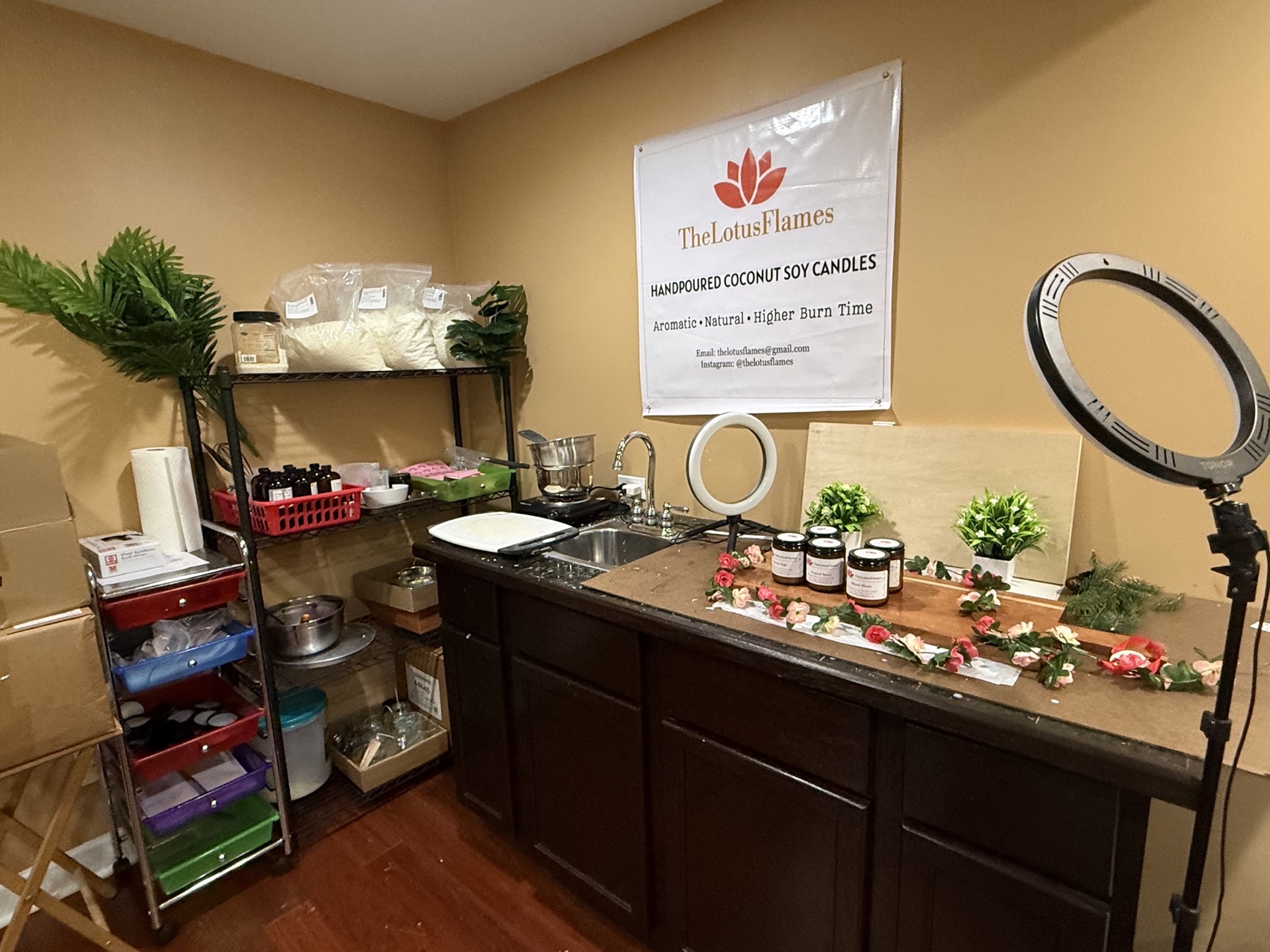
Determined to find a cleaner, healthier way, we transformed our home space into a small-batch candle studio. What started as an idea quickly evolved into a passionate side hustle—one that required a delicate dance between textbooks, homework, and test prep.
After finishing our daily schoolwork, our evenings were spent studying the science of candle making. Through countless late nights, temperature checks, and wax tests, we mastered the art of hand-pouring clean-burning, eco-conscious candles from scratch. Every batch was a lesson in patience, resilience, and time management, proving to us that age is no barrier to dedication.
Celebrating Milestones & Store Shelves
Word of our clean-burning candles spread quickly. What started as small orders for family, friends, and supportive neighbors rapidly expanded through word-of-mouth. Soon, people were reaching out to us for special life moments—asking us to design custom candle favors for intimate baby showers, milestone birthday parties, and festive family gatherings.
As demand grew, so did our horizons. We began partnering with local retail boutiques, taking custom orders to place TheLotusFlames on store shelves across the state. Seeing our hand-poured creations sitting in retail displays alongside established brands was a surreal milestone that validated every hour of hard work.
Lighting up the Future
Returning to the Naperville Children's Business Fair year after year and seeing familiar faces return to our booth reminds us why we started. We aren't just selling candles; we're sharing a cleaner, safer, and more thoughtful way to light up life's most cherished occasions.
Balancing our education with a growing business hasn't always been easy, but every custom order we pour and every retail shelf we fill reminds us of how far a simple idea can go when backed by passion and community support.
Thank you for supporting young entrepreneurs, trusting us with your special celebrations, and letting our light into your home.
Design a candle they'll remember.
Shop candles